
Outdoor Fitness Park – ออกกําลังกายสวนสาธารณะใช้อุปกรณ์ฟรี
หลายคนอยากออกกำลังกายแต่ติดเรื่องค่าใช้จ่าย ทั้งค่าสมัครฟิตเนส ค่าอุปกรณ์ หรือแม้แต่ค่าเดินทาง ความจริงแล้ว การออกกำลังกายสวนสาธารณะนั้นทำได้ฟรี และได้ผลดีไม่แพ้ออกกำลังกายในยิมเลยสักนิด
โดยเฉพาะในปัจจุบันที่สวนสาธารณะหลายแห่ง ทั้งในกรุงเทพและต่างจังหวัดติดตั้ง Outdoor Fitness Park หรืออุปกรณ์ออกกำลังกายกลางแจ้งไว้ให้ใช้งานได้ โดยไม่มีค่าใช้จ่าย ข้อมูลนี้จะพาทุกคนทำความรู้จักกับอุปกรณ์เหล่านี้ รู้วิธีใช้ให้ถูกต้อง และวางแผนออกกำลังกายได้จริงตั้งแต่วันนี้เลย
ออกกำลังกายสวนสาธารณะดีอย่างไร? ประโยชน์ที่หลายคนยังไม่รู้
เวลาพูดถึงออกกำลังกายกลางแจ้ง หลายคนนึกถึงแค่การวิ่งหรือปั่นจักรยาน แต่จริงๆ แล้ว Outdoor Fitness Park นั้นให้ประโยชน์ได้หลายมิติกว่านั้นมาก ทั้งร่างกาย จิตใจ และกระเป๋าสตางค์
ดีต่อสุขภาพกายและใจในเวลาเดียวกัน
การออกกำลังกายกลางแจ้งท่ามกลางธรรมชาติ มีงานวิจัยรองรับชัดเจนว่าช่วยลดระดับความเครียด ได้ดีกว่าการออกกำลังกายในพื้นที่ปิด แสงแดดยามเช้าช่วยกระตุ้นการสร้างวิตามินดี ซึ่งมีผลโดยตรงต่ออารมณ์และระบบภูมิคุ้มกัน บรรยากาศเขียวชอุ่มรอบข้าง ยิ่งช่วยให้สมองปลอดโปร่ง ลดความวิตกกังวล
และทำให้รู้สึกอยากกลับมาออกกำลังกายซ้ำ มากกว่าการนั่งเหม็งอยู่ในฟิตเนสอากาศหนาวเย็น อีกทั้งยังอุปกรณ์ Outdoor Fitness Park ส่วนใหญ่ ถูกออกแบบมาให้ใช้ระบบน้ำหนักตัวเองเป็นแรงต้าน ซึ่งเหมาะกับคนทุกวัยและทุกระดับความฟิต
ประหยัดกว่าสมัครฟิตเนสหลายเท่าตัว
ค่าสมัครฟิตเนสในกรุงเทพโดยเฉลี่ยอยู่ที่ 500–2,000 บาทต่อเดือน ยังไม่รวมค่าเดินทางและค่าที่จอดรถ ถ้าคำนวณต่อปีนั้นไม่ใช่จำนวนน้อยๆ เลย แต่กับ Outdoor Fitness Park คุณเดินเข้าไปใช้ได้เลยโดยไม่ต้องจ่ายแม้แต่บาทเดียว
สำหรับคนที่เพิ่งเริ่มต้นออกกำลังกาย หรือยังไม่แน่ใจว่าจะทำสม่ำเสมอได้ไหม การลองใช้อุปกรณ์ฟรีในสวนสาธารณะก่อน ถือเป็นทางเลือกที่ฉลาดมาก เพราะถ้าทำได้ต่อเนื่องแล้วค่อยพิจารณาสมัครฟิตเนส ก็ยังไม่สาย
ช่วยสร้างนิสัยออกกำลังกายสม่ำเสมอได้ง่ายขึ้น
หนึ่งในเหตุผลที่ทำให้คนเลิกออกกำลังกายกลางคันคือ “ความยุ่งยาก” ของการเดินทางไปฟิตเนส ต้องแพ็คถุง ต้องจ่ายเงิน ต้องรอคิวเครื่อง แต่สวนสาธารณะนั้น เดินออกจากบ้านไปได้เลย ความสะดวกนี้เองที่ช่วยลดแรงเสียดทาน ในการสร้างนิสัยออกกำลังกาย ยิ่งถ้ามาออกกำลังกายพร้อมกันกับเพื่อน หรือครอบครัวได้ด้วย โอกาสที่จะทำต่อเนื่องก็สูงขึ้นอีกหลายเท่า
อุปกรณ์ฝึกกล้ามเนื้อแขน หลัง และไหล่
กลุ่มนี้คือเครื่องที่เห็นได้บ่อยที่สุด เช่น
- Pull-up Bar (บาร์โหน) เหมาะสำหรับฝึกกล้ามเนื้อหลังและแขน โดยจับบาร์กว้างกว่าหัวไหล่เล็กน้อยแล้วยกตัวขึ้นให้คางพ้นบาร์ ถ้ายังทำไม่ได้ก็เริ่มจากห้อยตัวนิ่งๆ เพื่อยืดกล้ามเนื้อก่อนได้เลย
- นอกจากนั้นยังมี Chest Press แบบกลางแจ้งที่ใช้น้ำหนักตัวเองในการกด
- และ Shoulder Wheel อุปกรณ์หมุนไหล่วงกลมที่เห็นบ่อยในสวนสาธารณะของไทย เหมาะมากสำหรับผู้สูงอายุ หรือคนที่ต้องการฟื้นฟูข้อไหล่ การใช้งานคือ หมุนวงล้อทั้งสองด้านสลับกันช้าๆ อย่างสม่ำเสมอ
อุปกรณ์ฝึกขา สะโพก และแกนกลางลำตัว
- Leg Press กลางแจ้ง มักเป็นเครื่องนั่งพร้อมที่วางเท้าสำหรับดันขาออก ช่วยเสริมกล้ามเนื้อต้นขาได้ดีโดยไม่กดดันเข่ามากเกินไป
- Balance Beam หรือคานทรงตัวช่วยฝึกกล้ามเนื้อขา และการทรงตัวพร้อมกัน เหมาะสำหรับคนทุกวัย โดยเฉพาะผู้สูงอายุที่ต้องการป้องกันการหกล้ม
ส่วน Sit-up Bench หรือบอร์ดลาดเอียงสำหรับซิทอัพนั้น ช่วยฝึกกล้ามเนื้อหน้าท้องโดยตรง ข้อควรระวังคือไม่ควรดึงคอระหว่างทำ แต่ให้ใช้แรงจากหน้าท้องล้วนๆ
อุปกรณ์ Cardio กลางแจ้งที่พบบ่อยในสวนสาธารณะ
- Air Walker หรือเครื่องก้าวเดินอากาศ เป็นที่นิยมมากในสวนสาธารณะไทย ออกแบบให้ขยับขาไปข้างหน้า-ข้างหลังแบบเดินอย่างเป็นธรรมชาติ ลดแรงกระแทกที่ข้อเข่าได้ดี เมื่อเทียบกับการวิ่ง จึงเหมาะสำหรับผู้ที่มีปัญหาข้อเข่าหรือผู้สูงอายุ
- Tai Chi Wheel หรือจานหมุนไทชิช่วยฝึกความยืดหยุ่น และการประสานงานของร่างกาย
- ส่วน Stationary Bike กลางแจ้ง ก็มีให้เห็นบ้างในสวนสาธารณะขนาดใหญ่ ใช้งานเหมือนจักรยานออกกำลังกายทั่วไป แต่ไม่มีที่ปรับแรงต้าน
เทคนิคออกกำลังกายสวนสาธารณะให้ได้ผลจริง ไม่เสียเวลาเปล่า
มีอุปกรณ์ดีอย่างเดียวไม่พอ ถ้าออกกำลังกายไม่เป็นระบบก็ได้ผลช้า และบาดเจ็บง่าย มาดูเทคนิคที่ใช้ได้จริงกัน
โปรแกรมออกกำลังกายสวนสาธารณะสำหรับมือใหม่
สำหรับคนที่เพิ่งเริ่มต้นออกกำลังกายสวนสาธารณะ แนะนำให้เริ่มจาก 3 วันต่อสัปดาห์ก่อน เช่น จันทร์–พุธ–ศุกร์ หรือจะเป็นช่วงวันหยุดสุดสัปดาห์ก็ได้ ครั้งละ 30–45 นาที โดยไม่ต้องออกหนักมากในช่วงแรก เพราะเป้าหมายหลักของมือใหม่ คือการสร้างนิสัยให้ร่างกายคุ้นชินกับการเคลื่อนไหวก่อน รูปแบบที่แนะนำสำหรับ 1 session มีดังนี้
การวอร์มอัพและคูลดาวน์ที่เหมาะกับการออกกำลังกายกลางแจ้ง
หลายคนมักข้ามขั้นตอนวอร์มอัพ เพราะรู้สึกว่าเสียเวลา แต่ความจริงแล้วมันคือ การป้องกันการบาดเจ็บที่ดีที่สุด โดยเฉพาะเวลาออกกำลังกายกลางแจ้งที่อากาศเช้ายังเย็นอยู่ วอร์มอัพที่เหมาะสม ควรเป็นการขยับข้อต่อแบบ Dynamic เช่น
หมุนข้อไหล่ หมุนสะโพก แกว่งขาไปข้างหน้าและด้านข้าง และเดินเร็วหรือวิ่งเหยาะๆ เพื่อเพิ่มอุณหภูมิกล้ามเนื้อ ห้ามยืดกล้ามเนื้อแบบ Static (ค้างไว้นานๆ) ก่อนออกกำลังกายโดยเด็ดขาด เพราะจะทำให้กล้ามเนื้ออ่อนแรงลงชั่วคราว ส่วนการคูลดาวน์หลังเสร็จนั้นให้ทำตรงข้าม คือยืดกล้ามเนื้อแบบ Static ค้างไว้ 20–30 วินาทีต่อท่า เพื่อลดอาการปวดเมื่อยวันรุ่งขึ้น
ตารางออกกำลังกายสัปดาห์ละ 3–4 วันแบบง่ายๆ
ตารางนี้เหมาะสำหรับผู้เริ่มต้นที่ต้องการผลลัพธ์จริงภายใน 4–8 สัปดาห์
- วันที่ 1 (Full Body Light): Air Walker 10 นาที + Pull-up Bar (ห้อยตัว) 3 เซต + Leg Press 3 เซต + Sit-up Bench 2 เซต
- วันที่ 2 (พัก หรือเดินเบา ๆ)
- วันที่ 3 (Upper Body Focus): Shoulder Wheel 10 นาที + Chest Press 3 เซต + Pull-up Bar (โหนเต็ม) 3 เซต + Dip Bar 2 เซต
- วันที่ 4 (พัก)
- วันที่ 5 (Lower Body + Cardio): Stationary Bike 10 นาที + Leg Press 3 เซต + Balance Beam 5 นาที + Air Walker 10 นาที
เพิ่มจำนวนเซตหรือลดเวลาพักทีละน้อยทุก 2 สัปดาห์เพื่อให้ร่างกายได้รับ Progressive Overload ซึ่งเป็นหลักการพื้นฐานของการพัฒนาความแข็งแรง
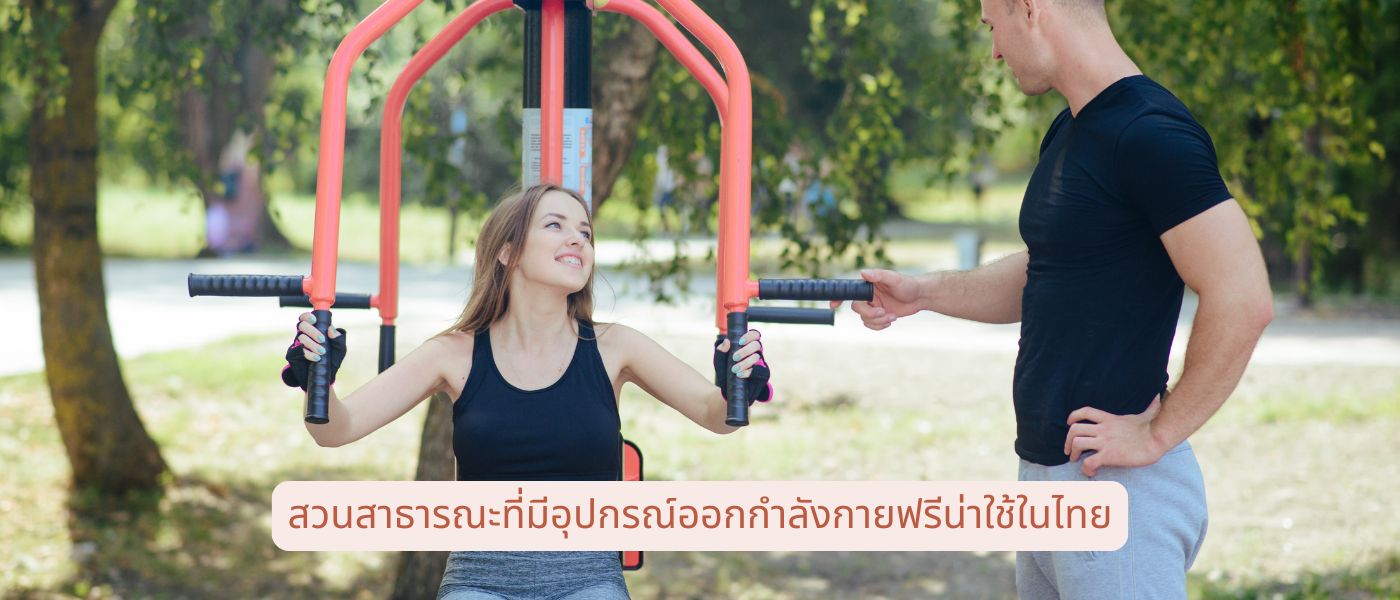
สวนสาธารณะในกรุงเทพที่มีอุปกรณ์ครบและดูแลดี
กรุงเทพมีสวนสาธารณะที่ติดตั้ง Outdoor Fitness Park ไว้หลายแห่ง สวนลุมพินีถือเป็นตัวเลือกยอดนิยมที่มีพื้นที่กว้างและอุปกรณ์ครบครัน มีทั้งบาร์โหน เครื่อง Air Walker เครื่องหมุนไหล่ และเครื่องฝึกขาหลายรูปแบบ
สวนเบญจกิติก็มีอุปกรณ์ใหม่กว่า และดูแลรักษาดีมาก เพราะเป็นสวนที่เปิดใหม่ในช่วงหลัง สวนจตุจักรและสวนรถไฟก็เป็นตัวเลือกที่ดี โดยเฉพาะคนที่อยู่แถวฝั่งเหนือของกรุงเทพ บรรยากาศดี มีพื้นที่วิ่งและมีอุปกรณ์กระจายตามจุดต่างๆ ทั่วสวน
สวนสาธารณะในต่างจังหวัดที่ไม่ควรพลาด
ต่างจังหวัดหลายแห่งลงทุนพัฒนา Outdoor Fitness Park ไว้คุณภาพดีไม่แพ้กรุงเทพเลย สวนหลวง ร.9 เชียงใหม่มีอุปกรณ์ครบพร้อมบรรยากาศเขียวขจี ที่ทำให้อยากออกกำลังกายทุกเช้า สวนสาธารณะหนองบึง จ.ขอนแก่น เป็นแหล่งออกกำลังกายยอดนิยมของคนในภาคอีสาน
มีอุปกรณ์ทั้งเก่าและใหม่ผสมกัน ส่วนสวนสาธารณะริมทะเลหลายแห่งในภาคใต้ เช่น สงขลา หรือสุราษฎร์ธานี ก็มีพื้นที่ออกกำลังกายกลางแจ้งติดวิวทะเล ที่แทบไม่มีฟิตเนสไหนทำได้
ข้อควรระวังเมื่อใช้อุปกรณ์ Outdoor Fitness Park ให้ปลอดภัย
ออกกำลังกายฟรี แต่ถ้าใช้ไม่ถูกวิธีก็บาดเจ็บได้เหมือนกัน เรื่องนี้สำคัญมากโดยเฉพาะสำหรับคนที่ไม่มีเทรนเนอร์คอยดูแล
วิธีตรวจสอบอุปกรณ์ก่อนใช้งานทุกครั้ง
ก่อนใช้อุปกรณ์ชิ้นไหนก็ตาม ให้ใช้มือลองจับและโยกดูก่อนเสมอ ถ้ามีเสียงดังผิดปกติ โยกง่าย หรือพบสนิมชัดเจนโดยเฉพาะที่จุดเชื่อมต่อ ให้หลีกเลี่ยงการใช้งานและแจ้งเจ้าหน้าที่ดูแลสวน ตรวจดูที่นั่งหรือที่จับว่ายังแน่นหนาดีหรือไม่ และระวังขอบโลหะ ที่อาจมีความคมหากอุปกรณ์เก่าหรือชำรุด ช่วงหลังฝนตกหรือเช้าที่มีน้ำค้างจับ ควรระวังพื้นผิวลื่นเป็นพิเศษ
การแต่งกายและเตรียมตัวที่เหมาะสมสำหรับกลางแจ้ง
สวมรองเท้าออกกำลังกายที่มีพื้นรองรับแรงกระแทกดี ห้ามใส่รองเท้าแตะหรือรองเท้าหนัง โดยเด็ดขาด เพราะเสี่ยงลื่นและเท้าบาดเจ็บ สวมเสื้อผ้าที่ระบายอากาศได้ดี หากออกกำลังกายช่วงกลางวัน ควรใส่ครีมกันแดดและสวมหมวก เพื่อป้องกันแสงแดดโดยตรง
พกน้ำมาด้วยเสมอ อย่างน้อย 500–750 ml และดื่มก่อน ระหว่าง และหลังออกกำลังกาย อย่ารอให้รู้สึกกระหายน้ำก่อนค่อยดื่ม เพราะเมื่อรู้สึกกระหายแสดงว่า ร่างกายเริ่มขาดน้ำแล้ว
ช่วงเวลาที่เหมาะที่สุดสำหรับการออกกำลังกายกลางแจ้ง
สำหรับเมืองไทยที่อากาศร้อนชื้น ช่วงเวลาทองสำหรับออกกำลังกายสวนสาธารณะคือ
- 5.30–7.30 น. ตอนเช้า อากาศเย็นสบาย แสงแดดยังอ่อน และสวนสาธารณะส่วนใหญ่ยังไม่แออัด
- อีกช่วงที่เหมาะคือ 17.00–19.00 น. ตอนเย็น แดดอ่อนลงแล้ว และอากาศเริ่มเย็นลงเล็กน้อย
- ควรหลีกเลี่ยงช่วง 10.00–15.00 น. เพราะแดดแรงมาก เสี่ยงต่อภาวะ Heat Stroke โดยเฉพาะในช่วงฤดูร้อน
🌸
🌸
คำถามที่พบบ่อยเกี่ยวกับออกกำลังกายสวนสาธารณะ
ออกกำลังกายสวนสาธารณะเหมาะกับผู้สูงอายุไหม?
เหมาะมากครับ อุปกรณ์ส่วนใหญ่ใน Outdoor Fitness Park ถูกออกแบบมาให้ใช้น้ำหนักตัวเองในระดับต่ำ เช่น Shoulder Wheel, Air Walker และ Balance Beam ซึ่งช่วยเพิ่มความยืดหยุ่น ฝึกการทรงตัว และเสริมความแข็งแรงของกล้ามเนื้อขา โดยไม่กดดันข้อต่อ เหมาะสำหรับผู้สูงอายุหรือผู้ที่กำลังฟื้นฟูร่างกาย ควรเริ่มจากอุปกรณ์ที่มีที่จับมั่นคงก่อน และถ้าไม่มั่นใจให้มีคนมาด้วยครั้งแรก
ต้องออกกำลังกายบ่อยแค่ไหนจึงจะเห็นผล?
สำหรับผู้เริ่มต้น 3 วันต่อสัปดาห์ ครั้งละ 30–45 นาที เพียงพอที่จะเห็นผลภายใน 4–6 สัปดาห์ โดยเฉพาะในด้านความแข็งแรง ความทนทาน และสุขภาพจิต ที่สำคัญคือความสม่ำเสมอมากกว่าความหนัก การไปทุกวันแบบเบาๆ ดีกว่าไปหนักมากสัปดาห์ละครั้งแล้วหยุดยาว เพราะร่างกายต้องการเวลาพักฟื้นระหว่างการออกกำลังกายด้วย
มีฝนตกหรืออากาศร้อนมากควรทำอย่างไร?
ถ้าฝนตกหนักหรือมีฟ้าคะนองให้หยุดออกกำลังกายกลางแจ้งทันที เพราะอุปกรณ์โลหะนำไฟฟ้า และพื้นเปียกลื่นเสี่ยงอันตรายมาก หากฝนเพิ่งหยุดก็รอให้อุปกรณ์ และพื้นแห้งก่อนแล้วค่อยใช้งาน สำหรับวันที่อากาศร้อนจัด ให้เลื่อนการออกกำลังกายมาเป็นช่วงเช้าตรู่หรือเย็น และดื่มน้ำให้มากกว่าปกติ ถ้ารู้สึกเวียนหัว คลื่นไส้ หรืออ่อนเพลียผิดปกติให้หยุดทันที และหาร่มหรือที่เย็นนั่งพักพร้อมดื่มน้ำ